
Sensing Wonderland
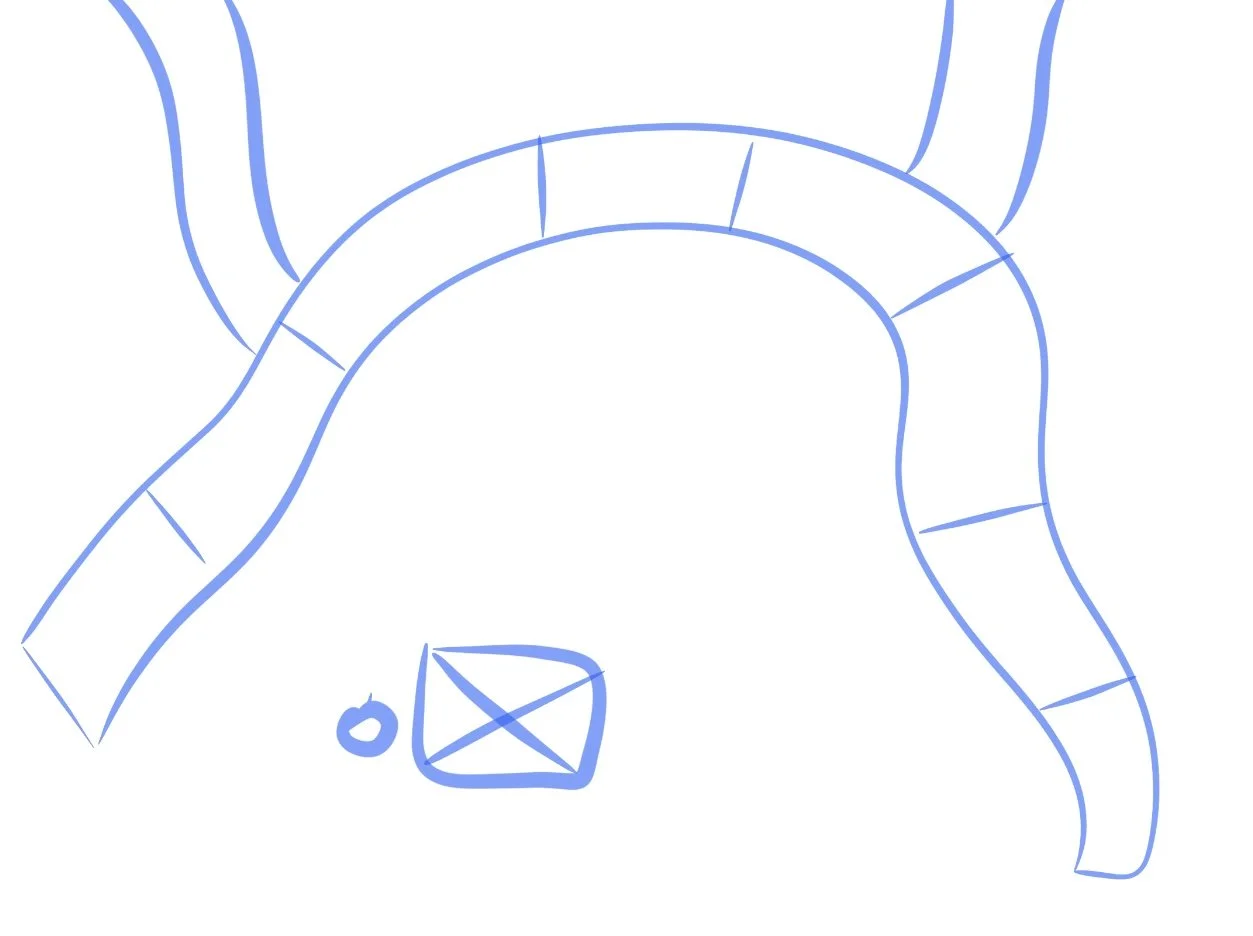
Mario-Party 8 style with physical spots and auditory directions.
what we changed
Static → Full-Body: Sensory tables and storybooks evolved into interactive floors, walls, props, and rooms.
Game-Focused → Story-Focused: Scoring and complex rules were replaced with simple challenges that moved the narrative forward.
Impractical → Accessible: Ideas like water-based activities were adapted into safer, easier-to-navigate sensory interactions.
early ideation
Early sketches
We explored a range of potential solutions, including interactive wall panels, rope-based navigation, topographical maps, and connected surfaces using varied materials to guide users through the experience. We also considered several narrative directions, such as The Gingerbread Man, Mario Party 8, and Noah’s Ark, before ultimately selecting Alice in Wonderland for its strong potential to support immersive, multisensory storytelling.
Young blind children need interactive cues like sound, texture, and role-play, since long verbal descriptions
lose their attention.
Reddit r/Blind educator comment (2024); YouTube
demos of blind children exploring texture (2023).
Physical interaction improves engagement
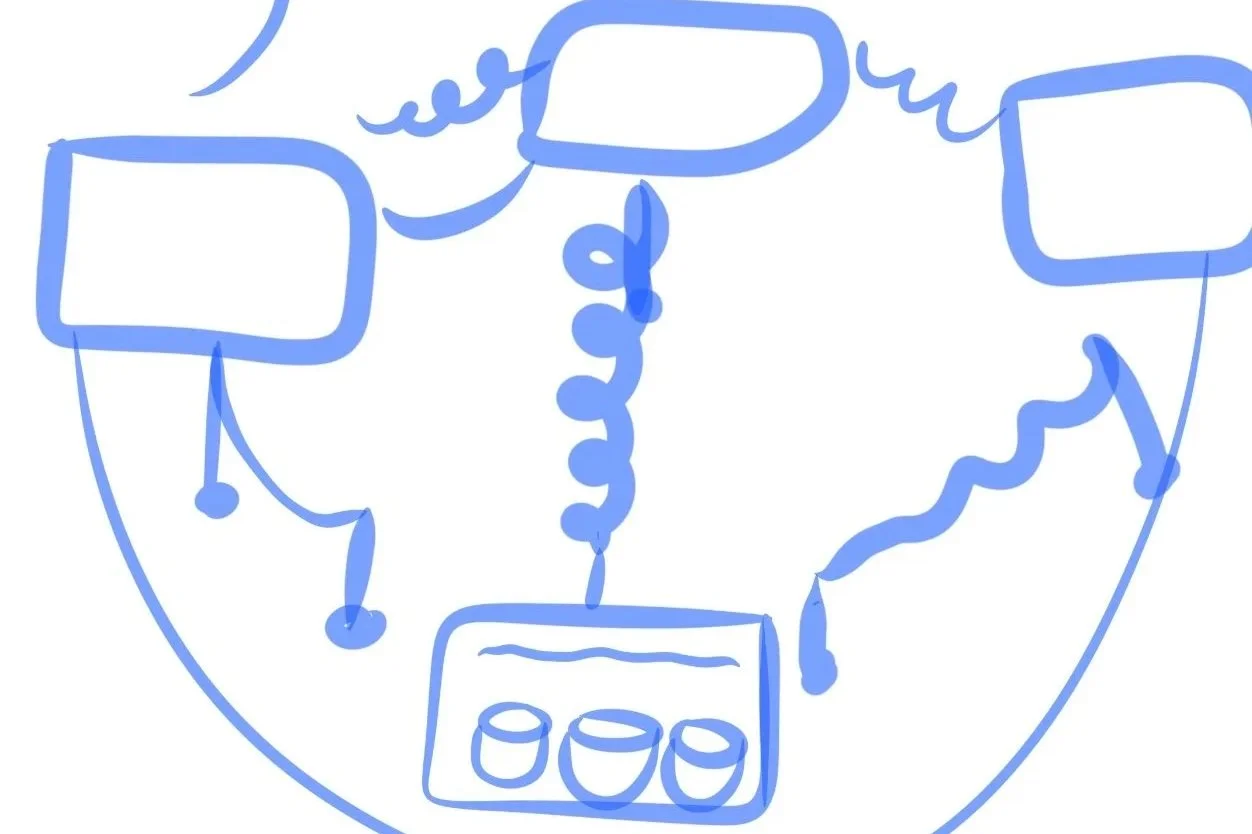
Different textured ropes connecting tables with braille story elements.
Problem
Most children’s stories rely heavily on visuals, limiting how blind and visually impaired children can experience them. Few storytelling environments allow these children to actively explore narratives through touch, sound, scent, and movement.
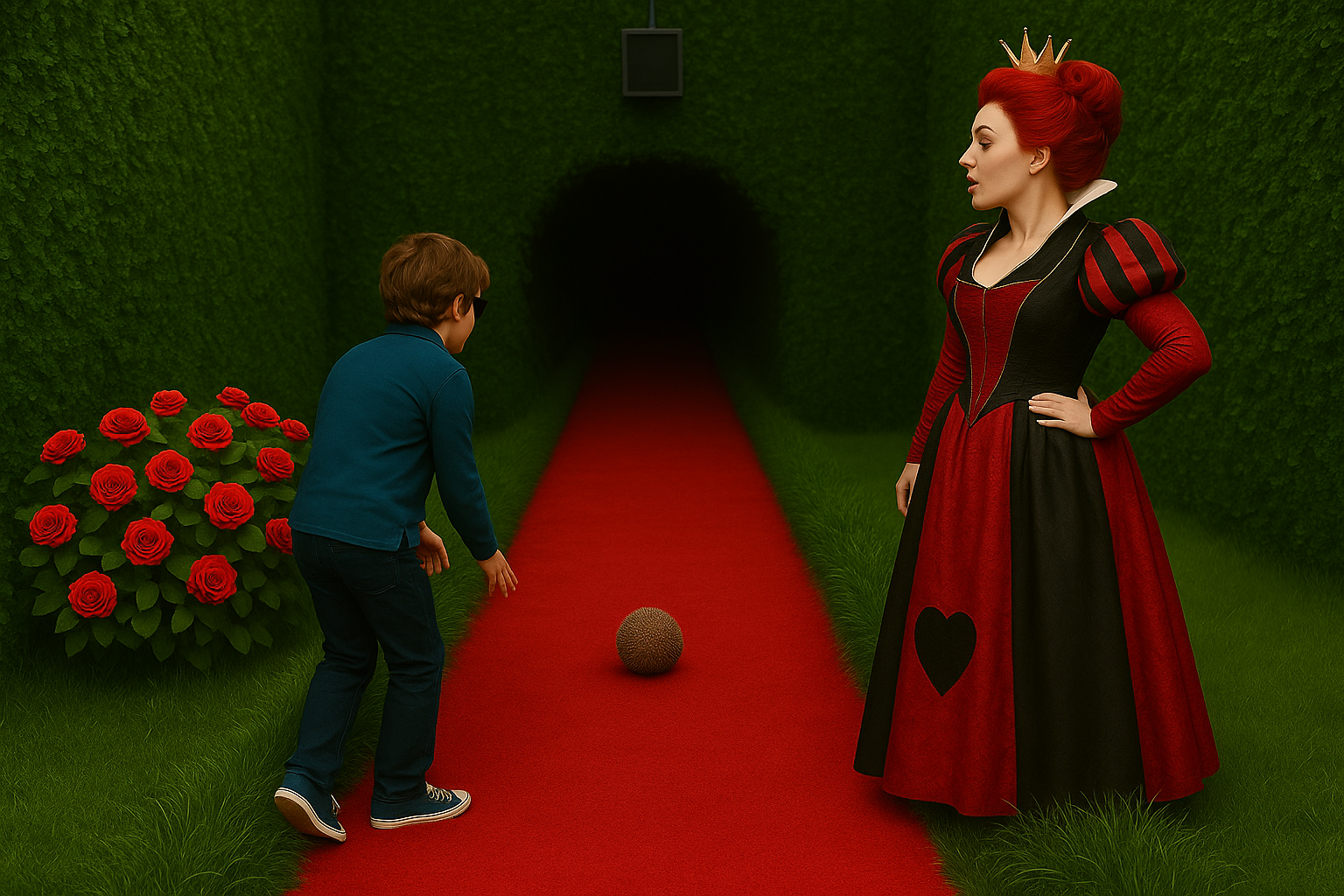
Sensing Wonderland is an immersive storytelling experience for blind and visually impaired children that reimagines Alice in Wonderland through touch, sound, scent, taste, and movement instead of sight. Designed as an escape‑room style environment, children move through tactile spaces where audio cues, scents, and interactive objects guide them through the story. Key moments like shrinking and growing are created through changes in space, texture, and sound, transforming a traditionally visual narrative into a multisensory adventure.
Supporting evidence
1
Most children’s stories depend on visuals, leaving blind children with few engaging, interactive options.
Reddit r/Blind discussion on children’s storybook accessibility (2024).
Research Insights
Multisensory cues build understanding
Blind children build “mental pictures” through touch, sound, smell, movement, and spatial cues rather than visual descriptions.
2
high fidelity prototype
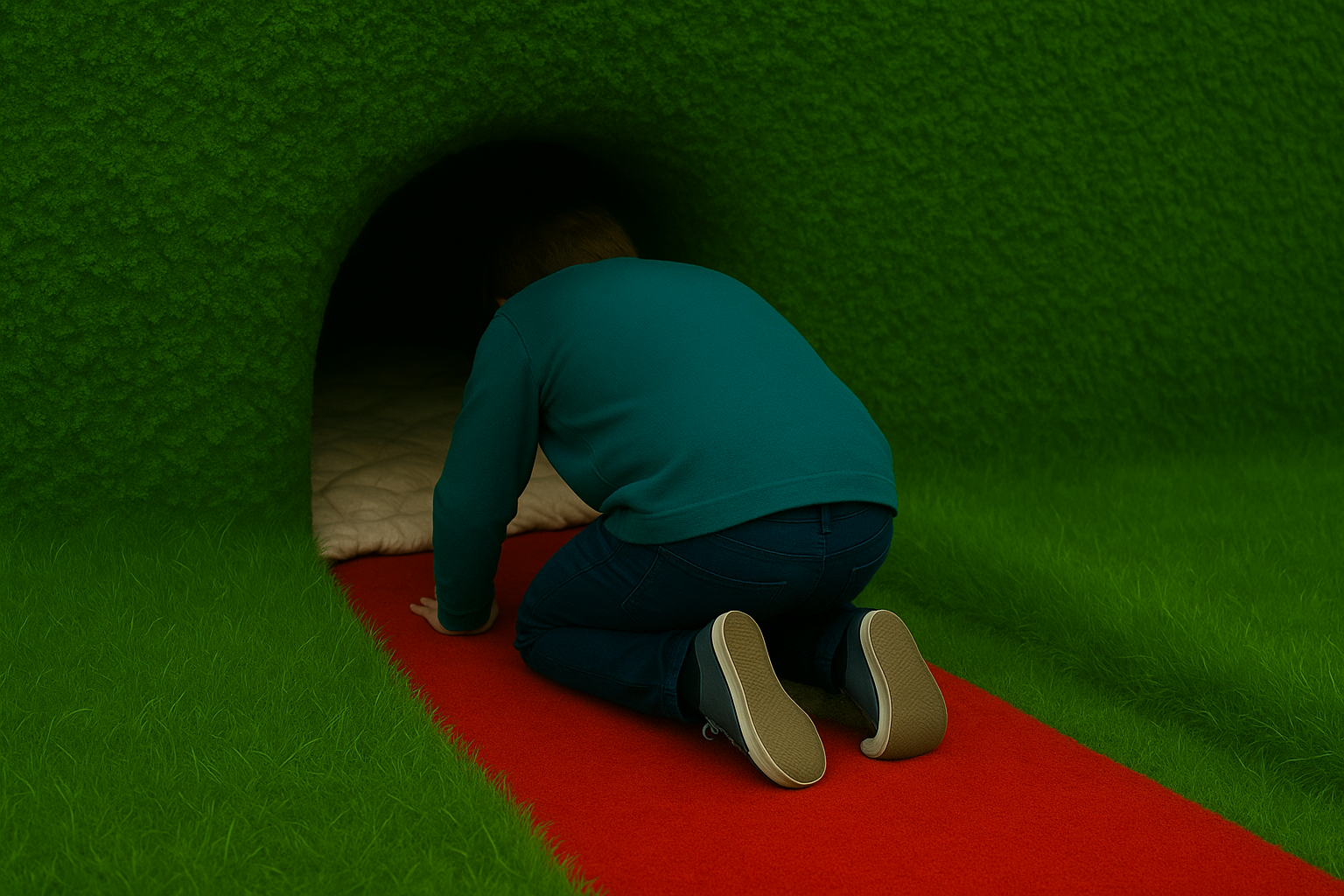
Sensing Wonderland is an immersive storytelling experience for blind and visually impaired children that reimagines Alice in Wonderland through touch, sound, scent, taste, and movement. As children move through the story, tactile environments, audio cues, scents, and interactive objects guide them through key moments, turning a traditionally visual narrative into a multisensory adventure.
empathy map
why This matters
Inclusive multisensory storytelling lets blind and low-vision children explore and play independently, building confidence, problem solving skills, and spatial understanding. It also encourages shared play between blind and sighted peers, fostering empathy and reinforcing that accessibility is an essential part of meaningful storytelling, not just an afterthought.
solution
3
Blind children form mental images through touch, sound, smell, and movement, not pictures, so storytelling must activate these senses.
DeLeon (Quora, 2017); Long (Quora, 2016).
Abstract ideas need sensory anchors
Children ages 5–9 may struggle with unfamiliar characters, objects, or story events when they are only described verbally. Connecting concepts to tangible sensory experiences makes them more understandable.
-
“Where’s the next clue?”
“I need something I can hear or feel.”
“This is fun when I know what’s happening.”
-
“Games should be fun, not boring explanations.”
“I want to move through the story at my own pace.”
“I learn by touching, listening, and moving.”
-
Feels along walls, props, and textures for guidance.
Pauses to listen for narrated cues, chimes, or character voices.
Navigates slowly but confidently once the environment gives enough feedback.
-
Excited when music, sound effects, or textures bring the story alive.
Left out when instructions are only visual.
Proud when winning tokens or unlocking a story twist.
journey map

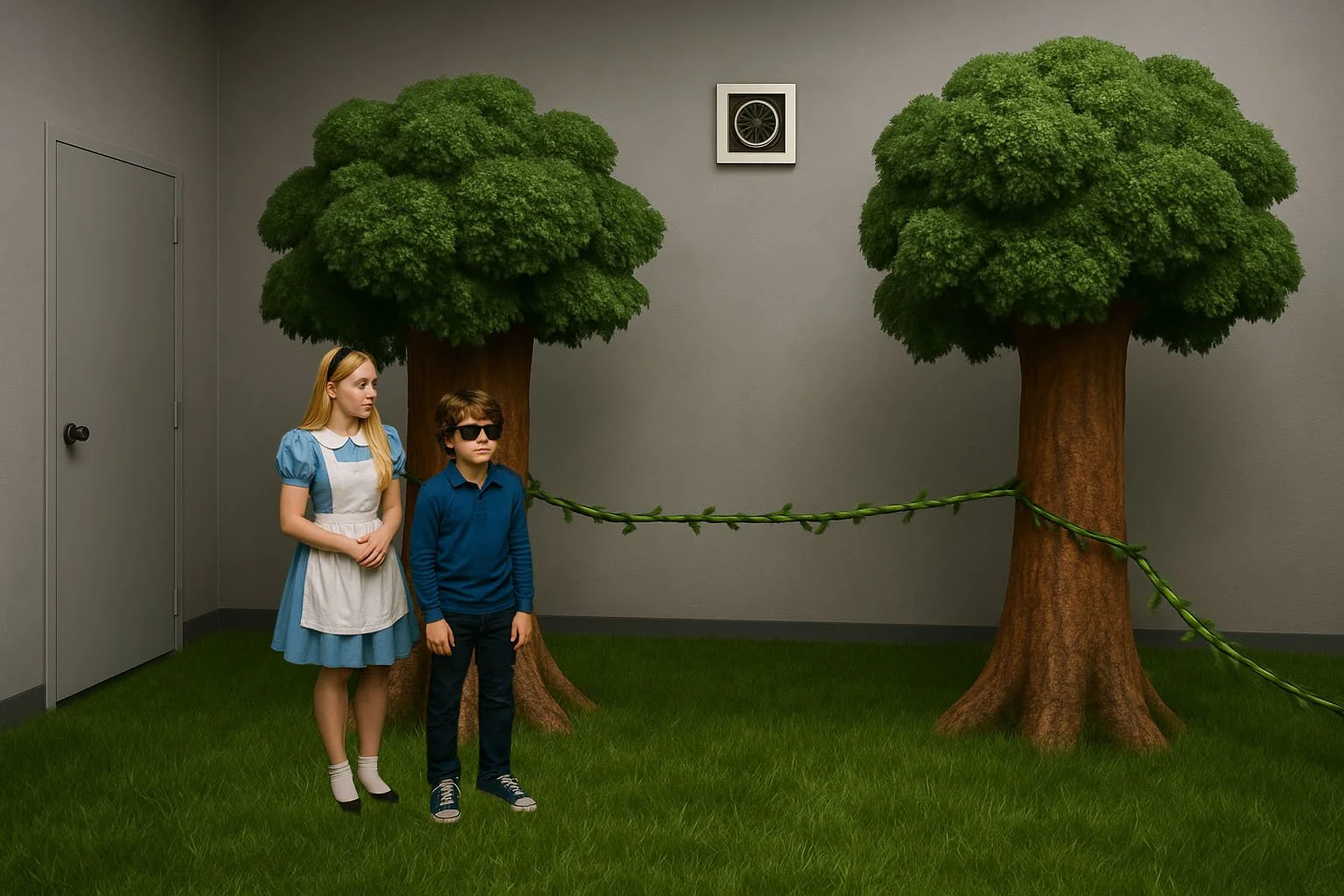
Ropes leading to different tactile sensory stations.
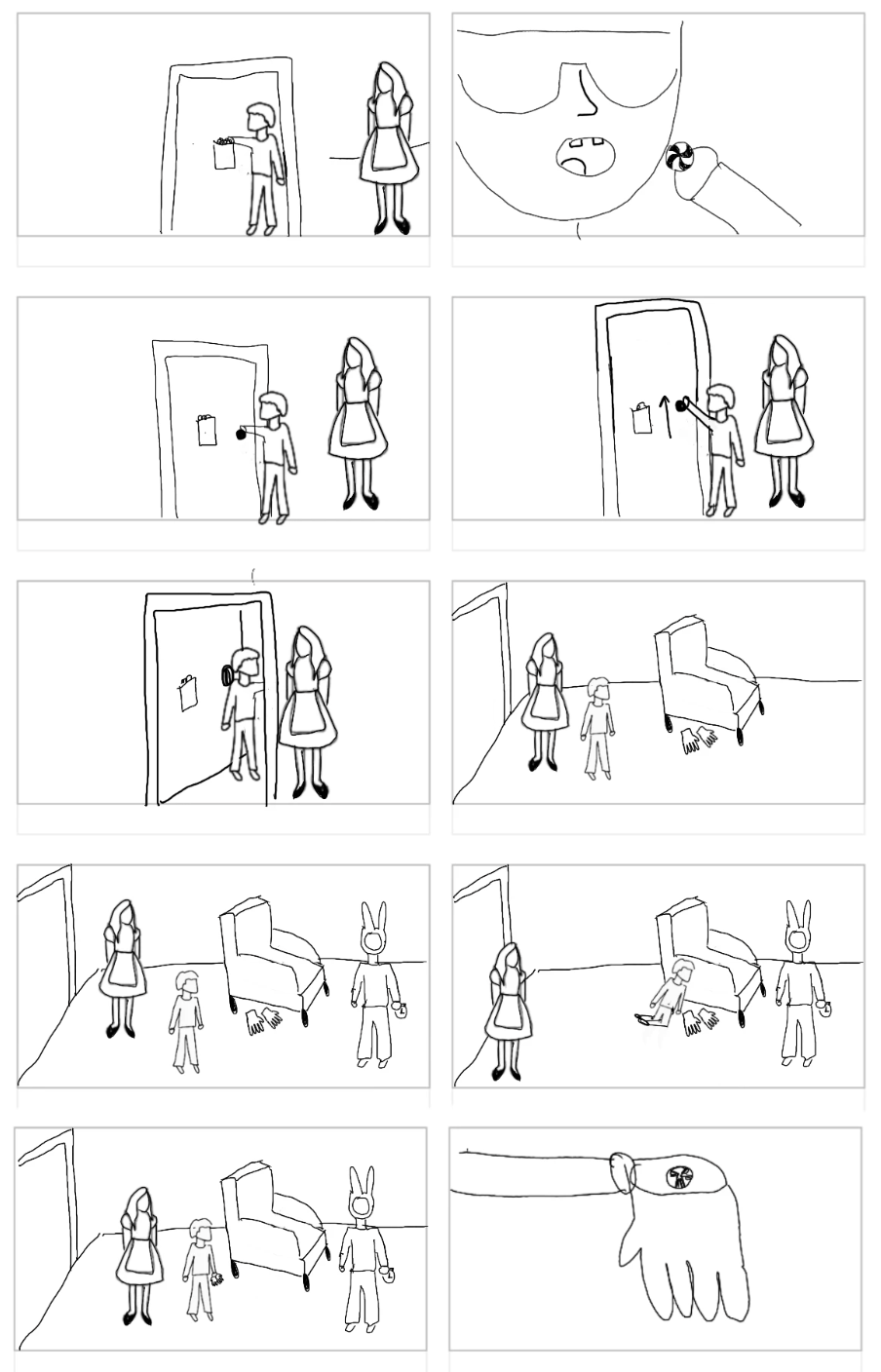
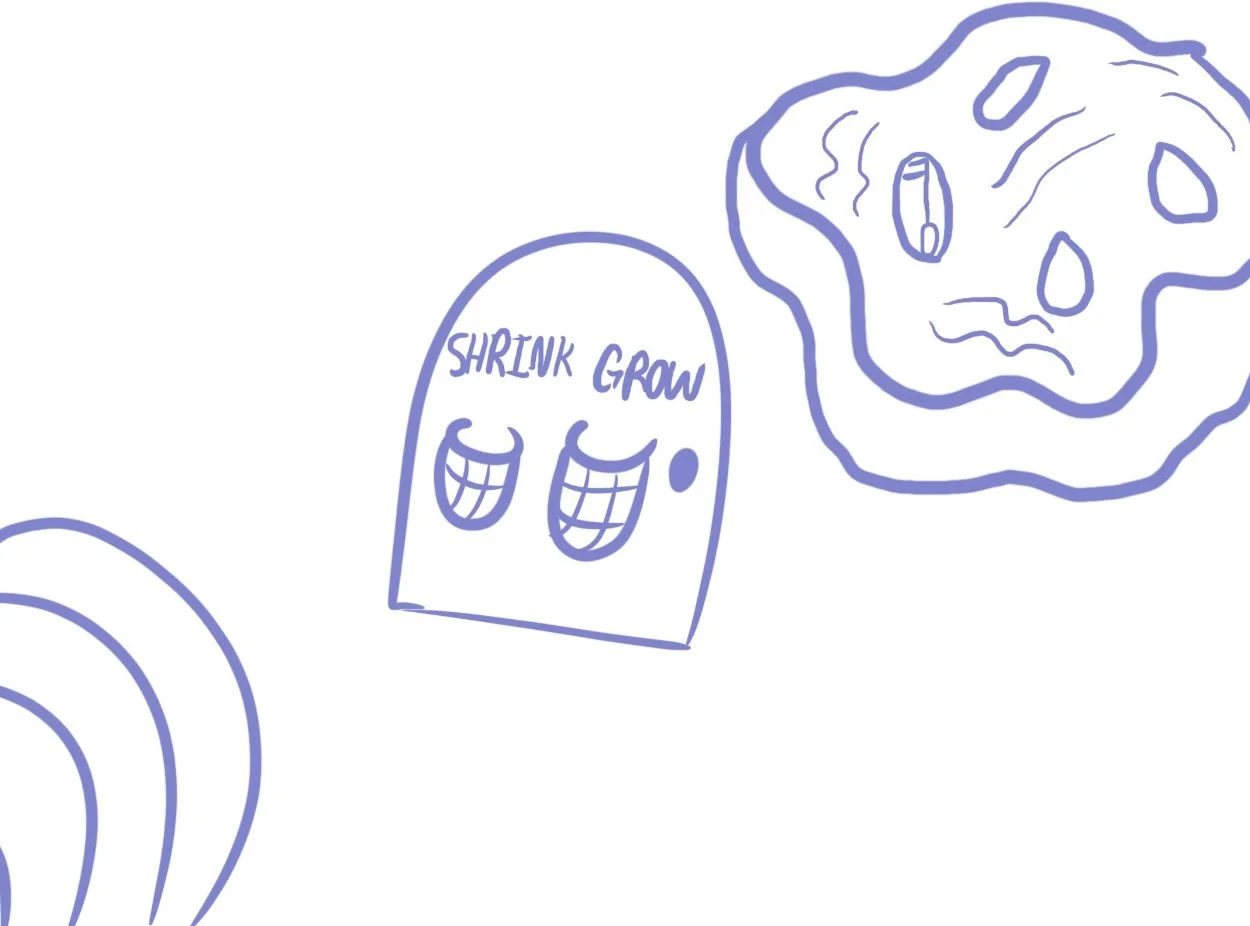
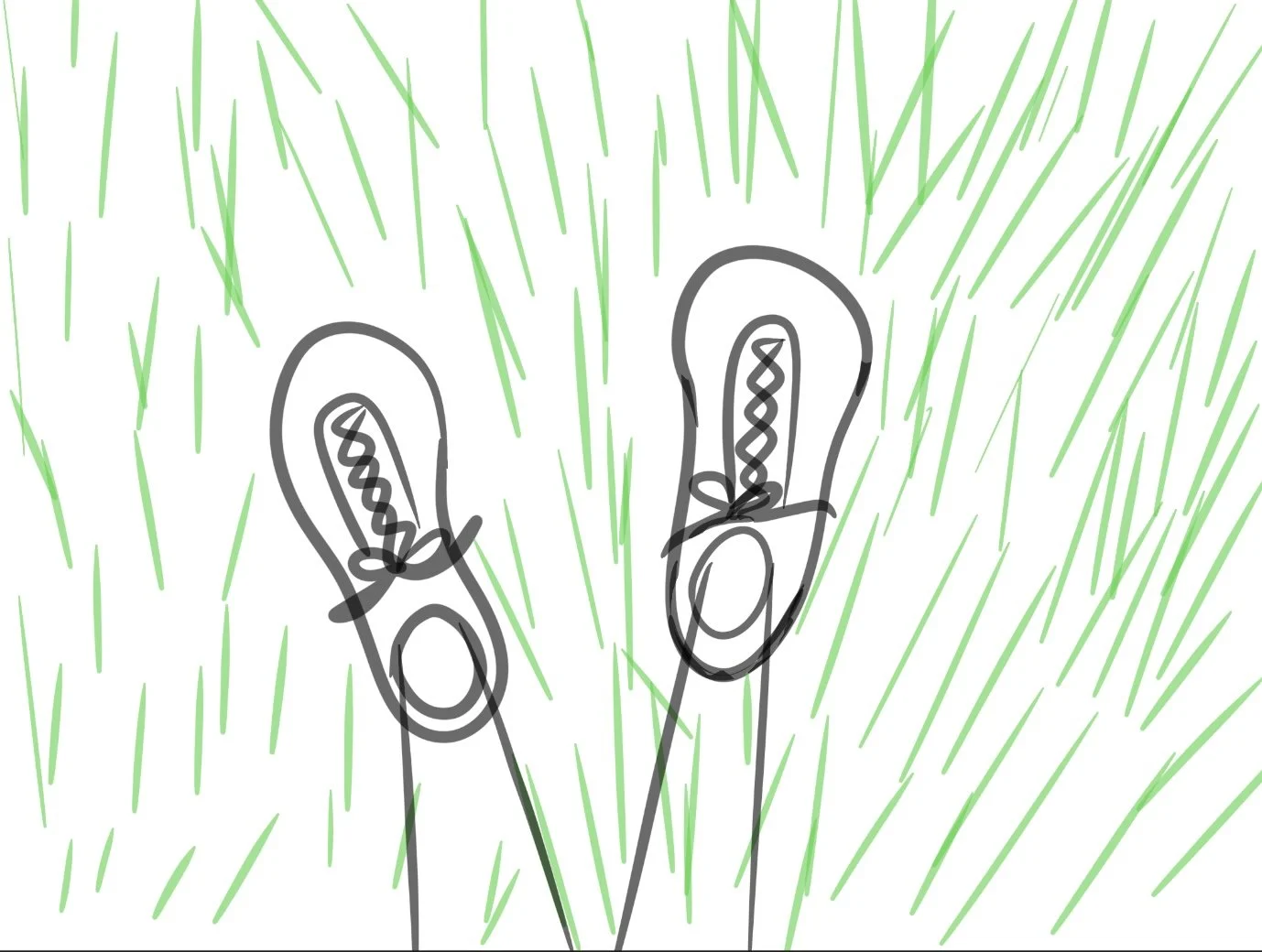
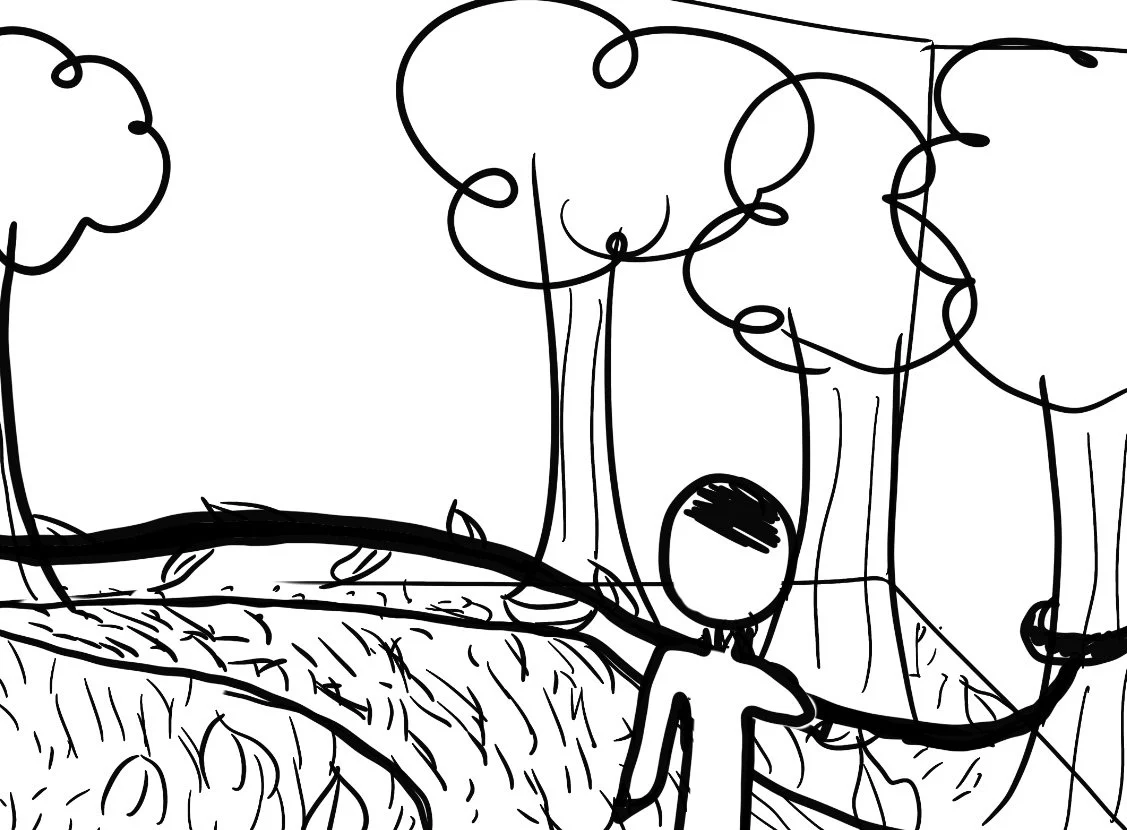
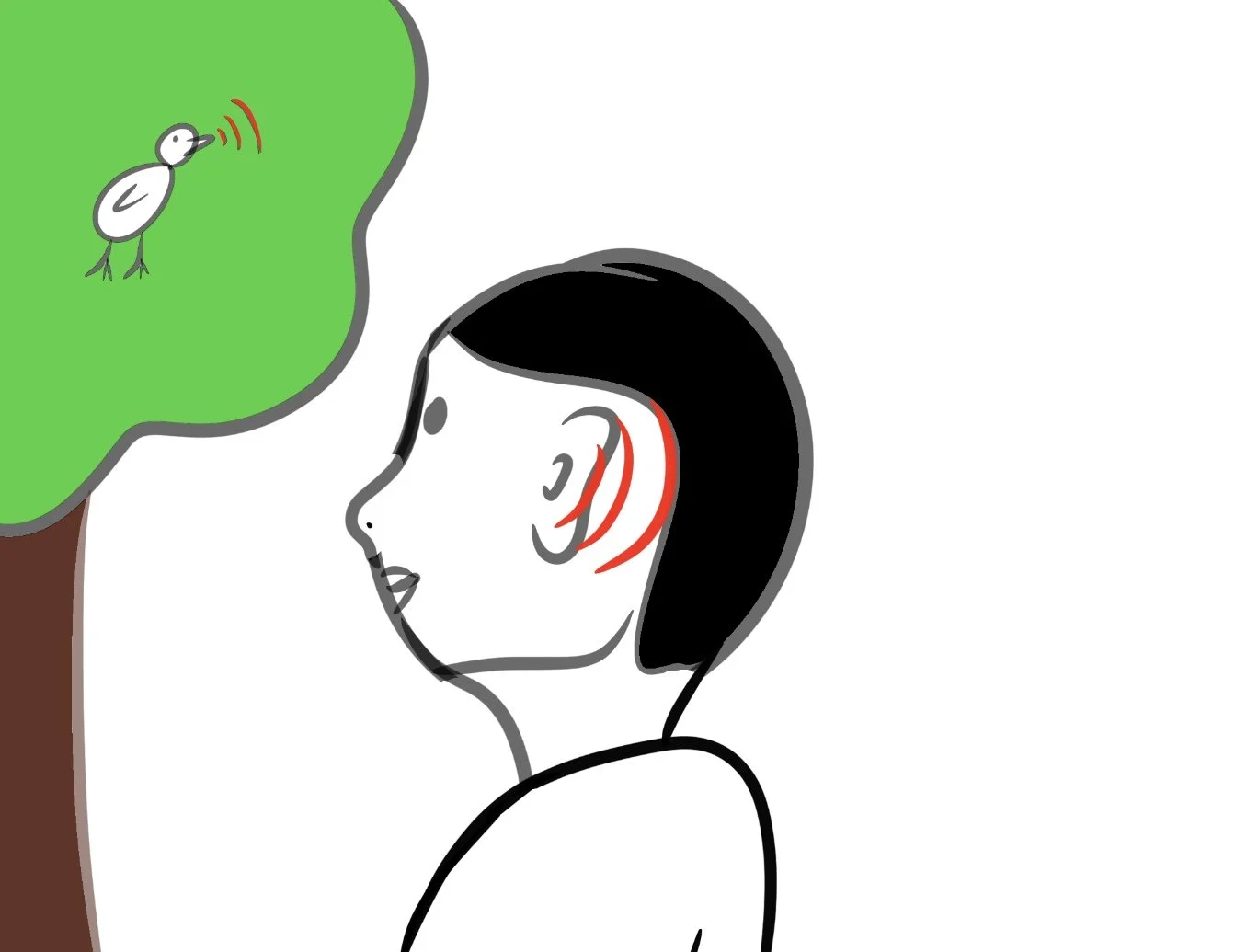
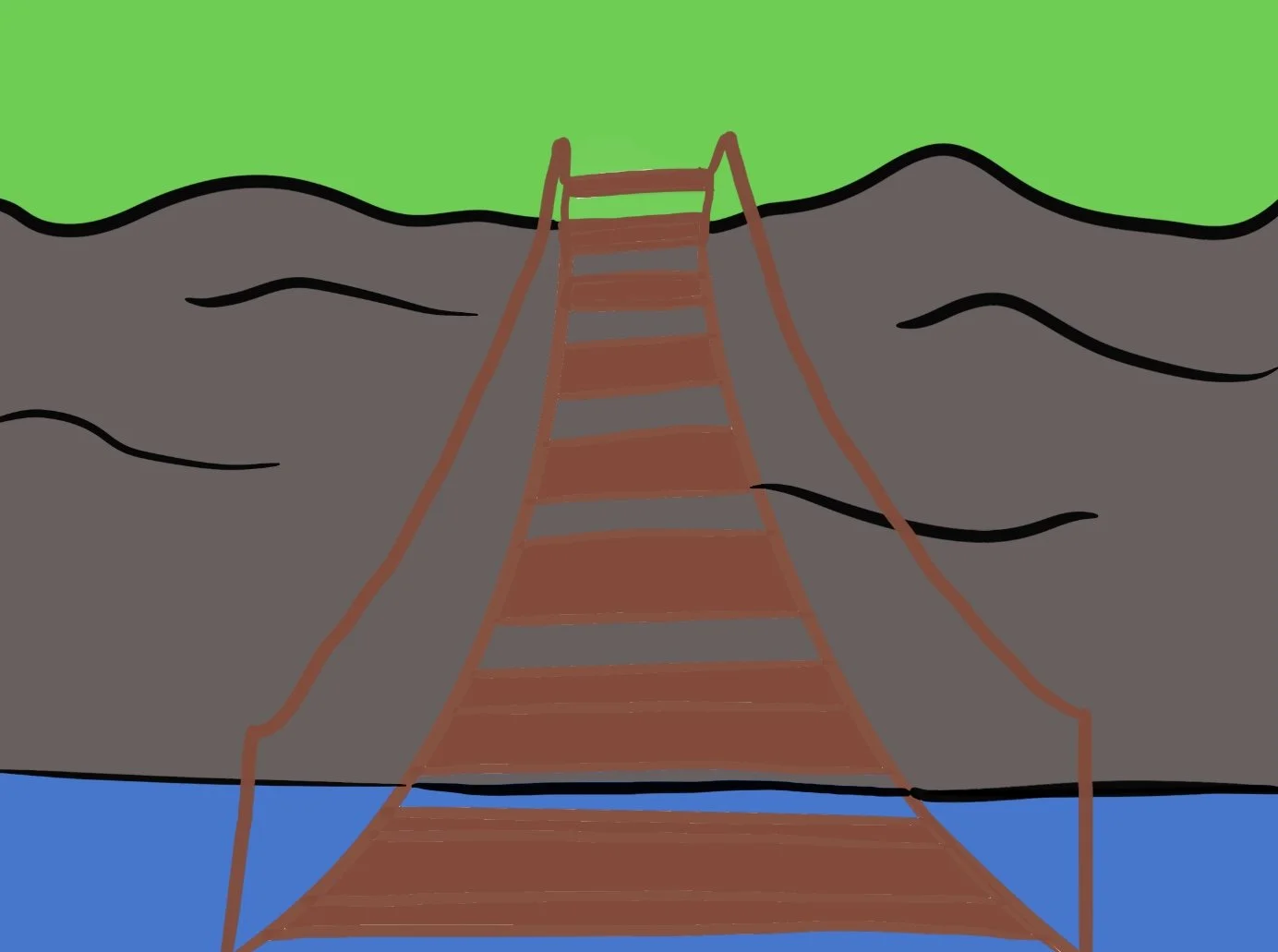
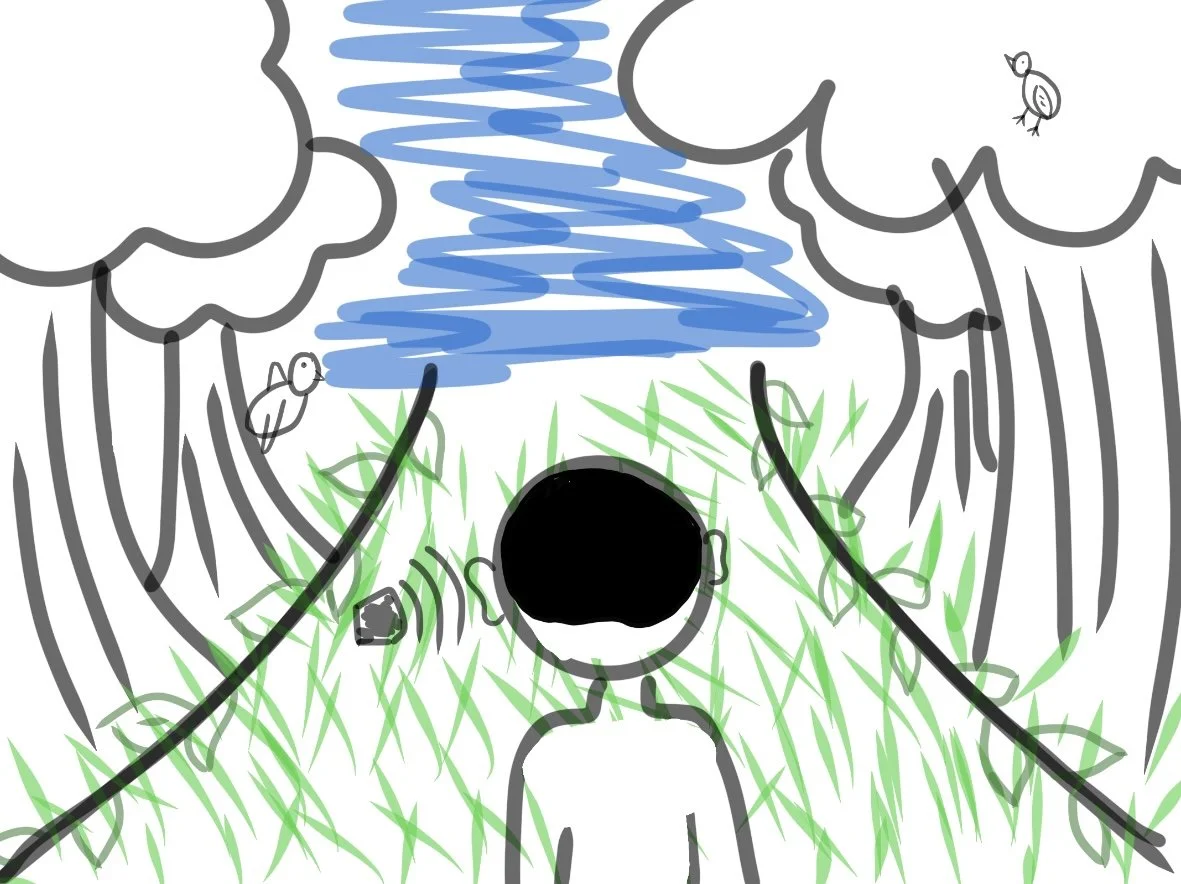
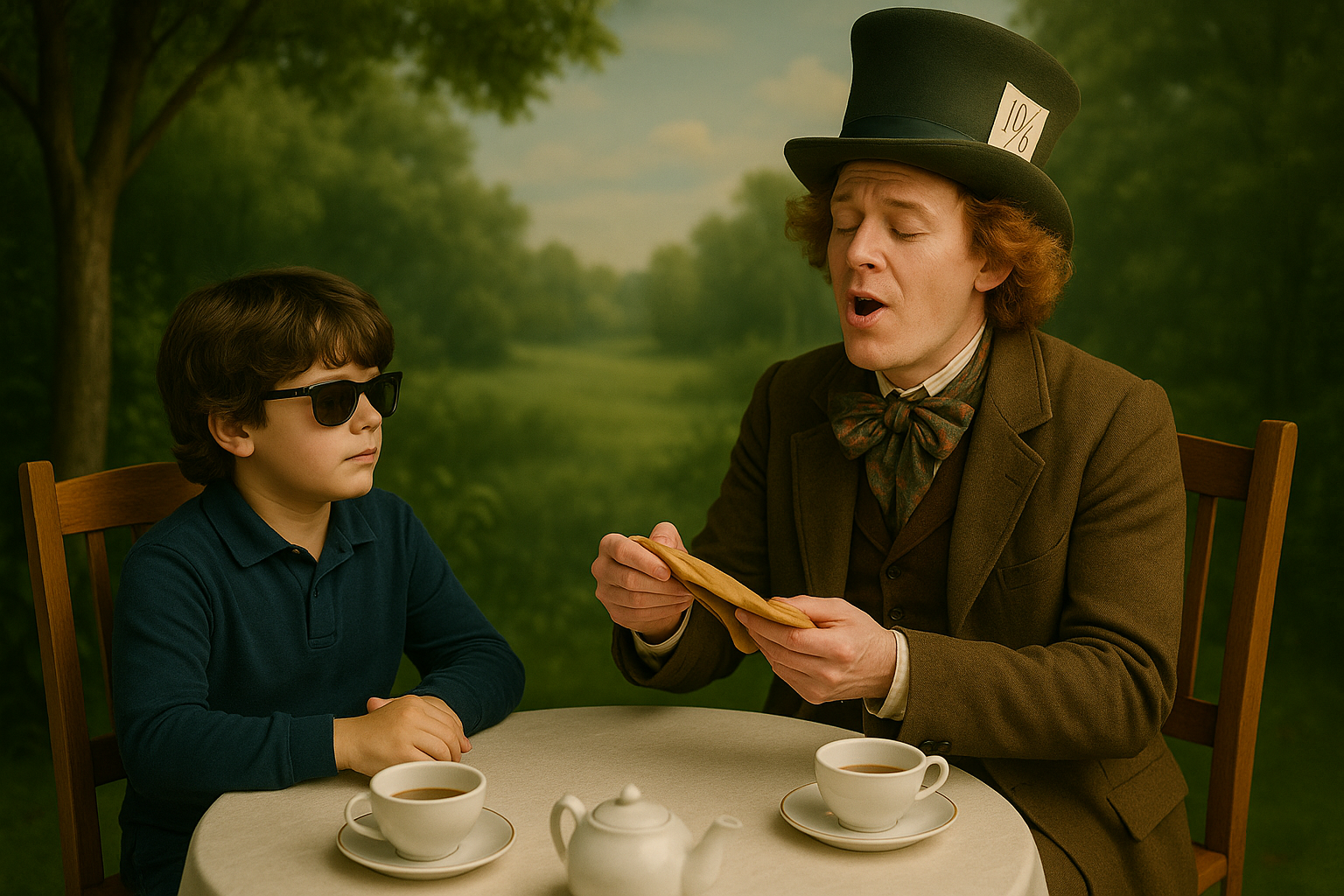
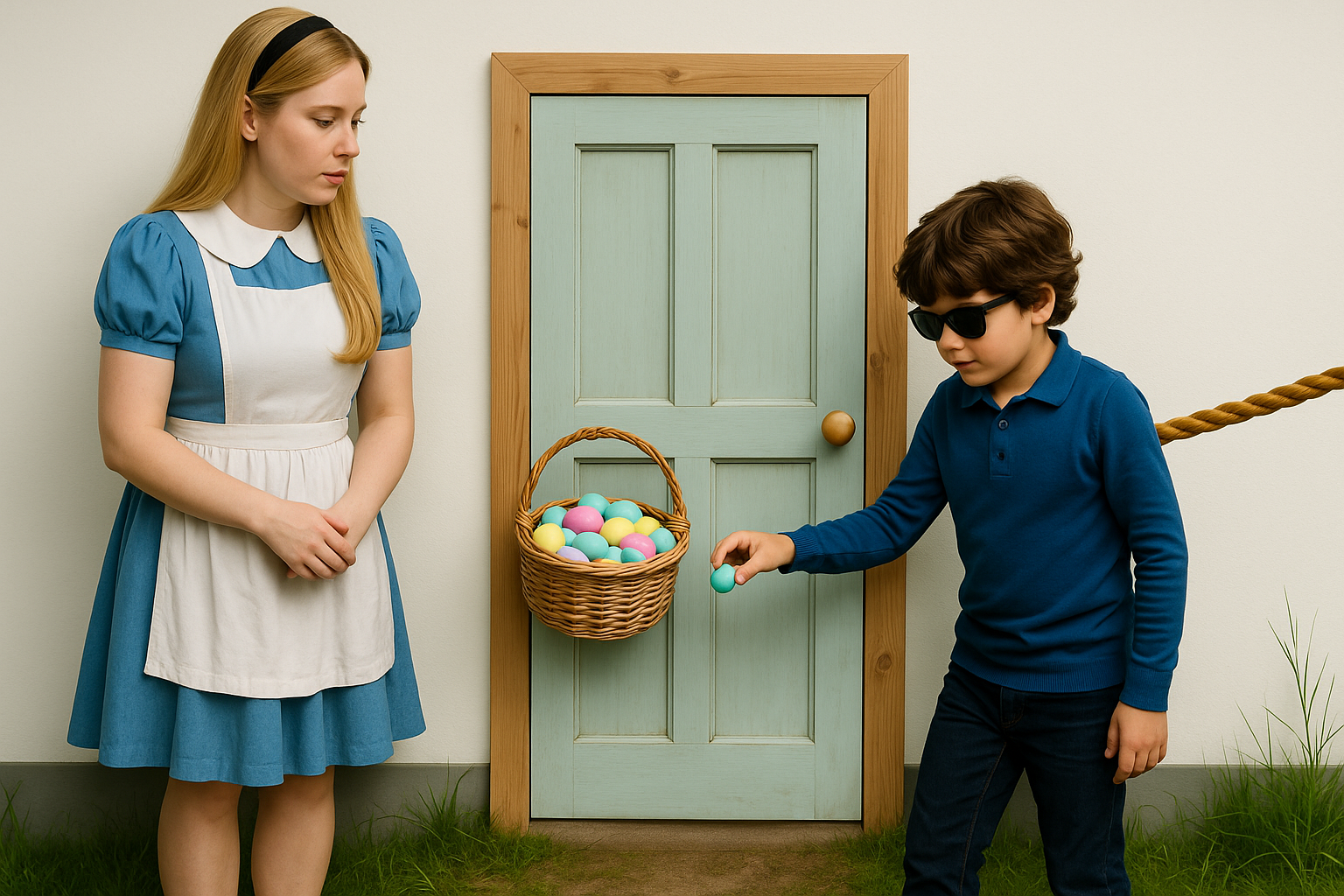
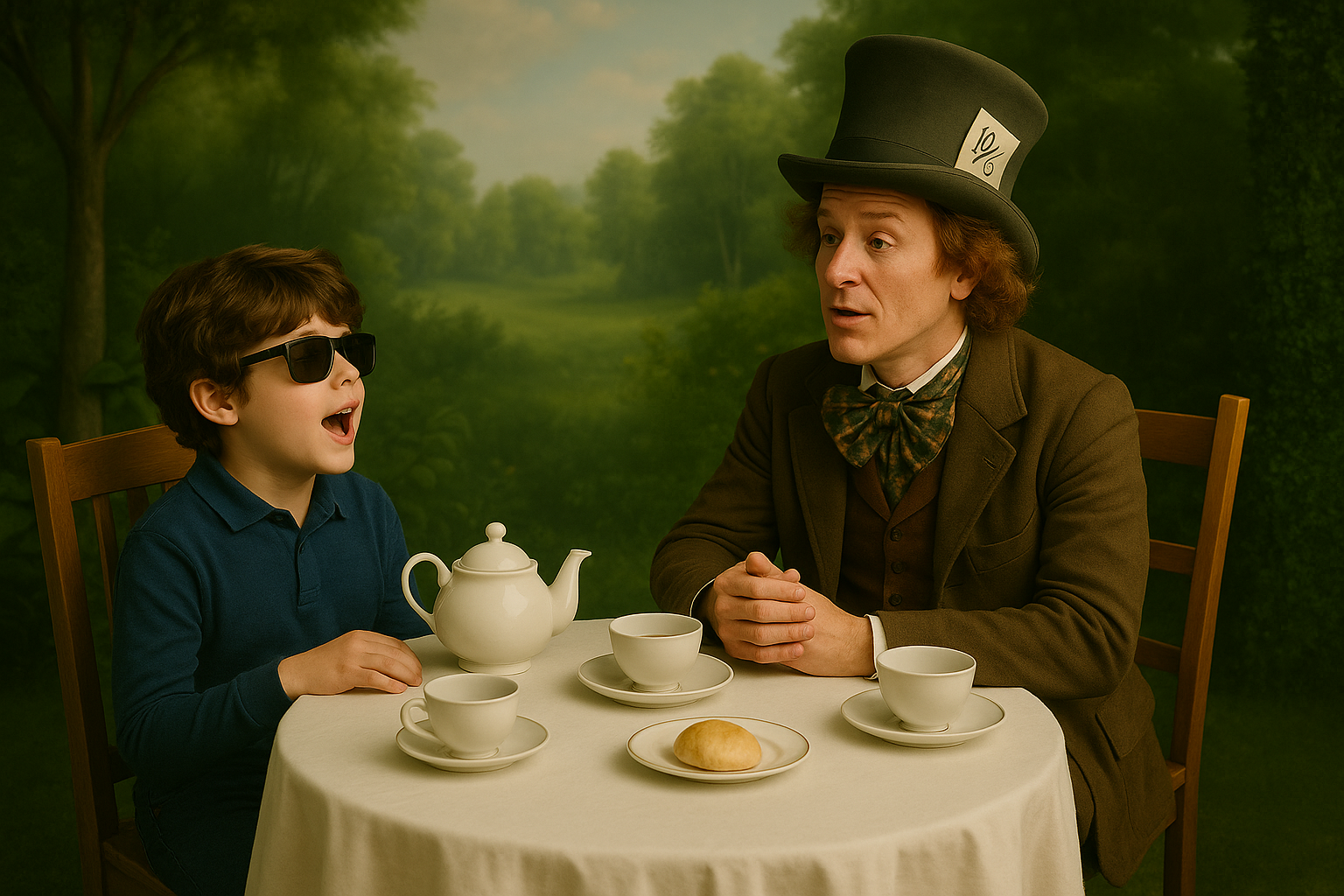
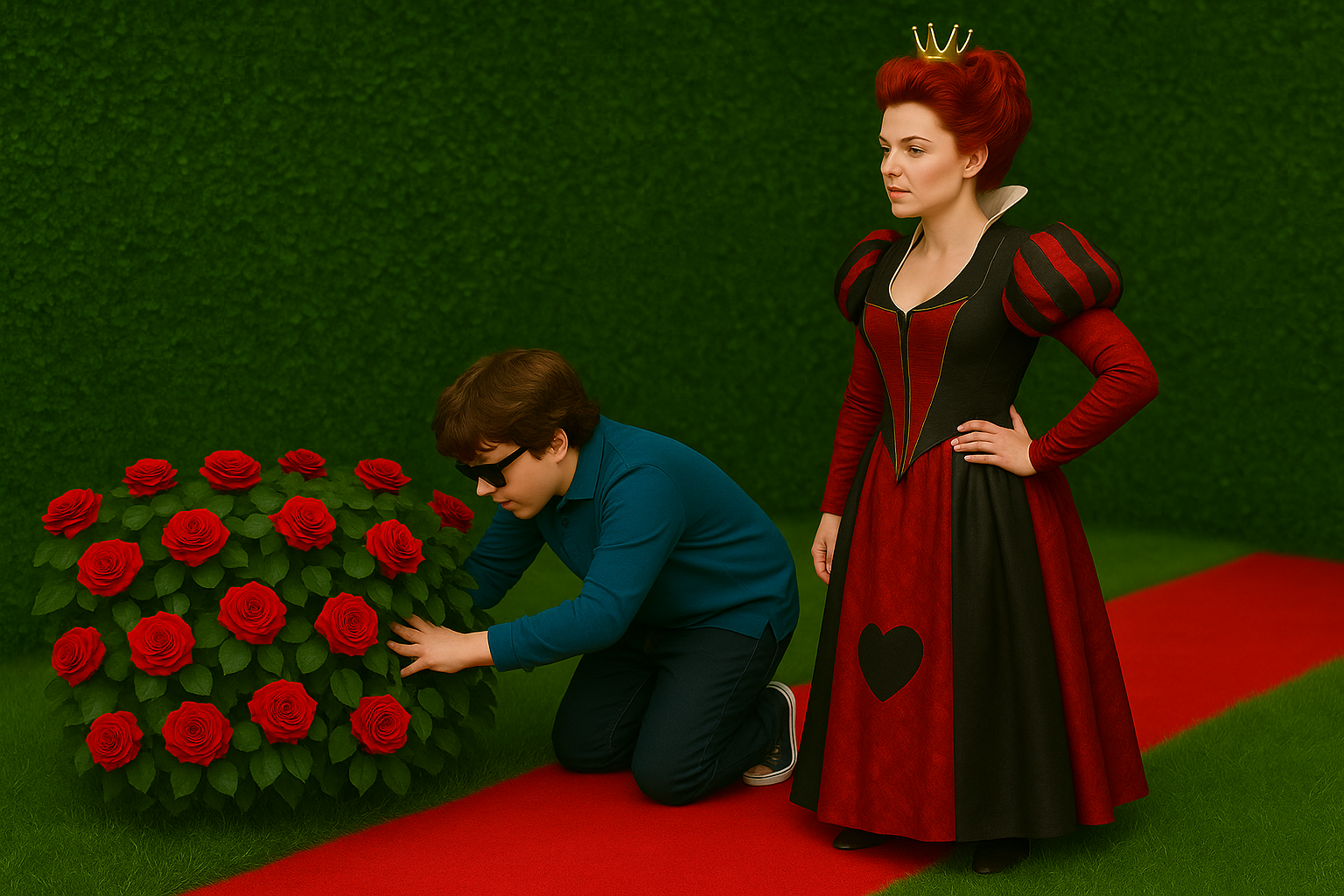
These early sketches explored how children could move through the story using all of their senses. We experimented with touch, sound, smell, taste, and movement to create interactive challenges and bring the world of Alice in Wonderland to life without relying on sight.


ideation choices
what we chose
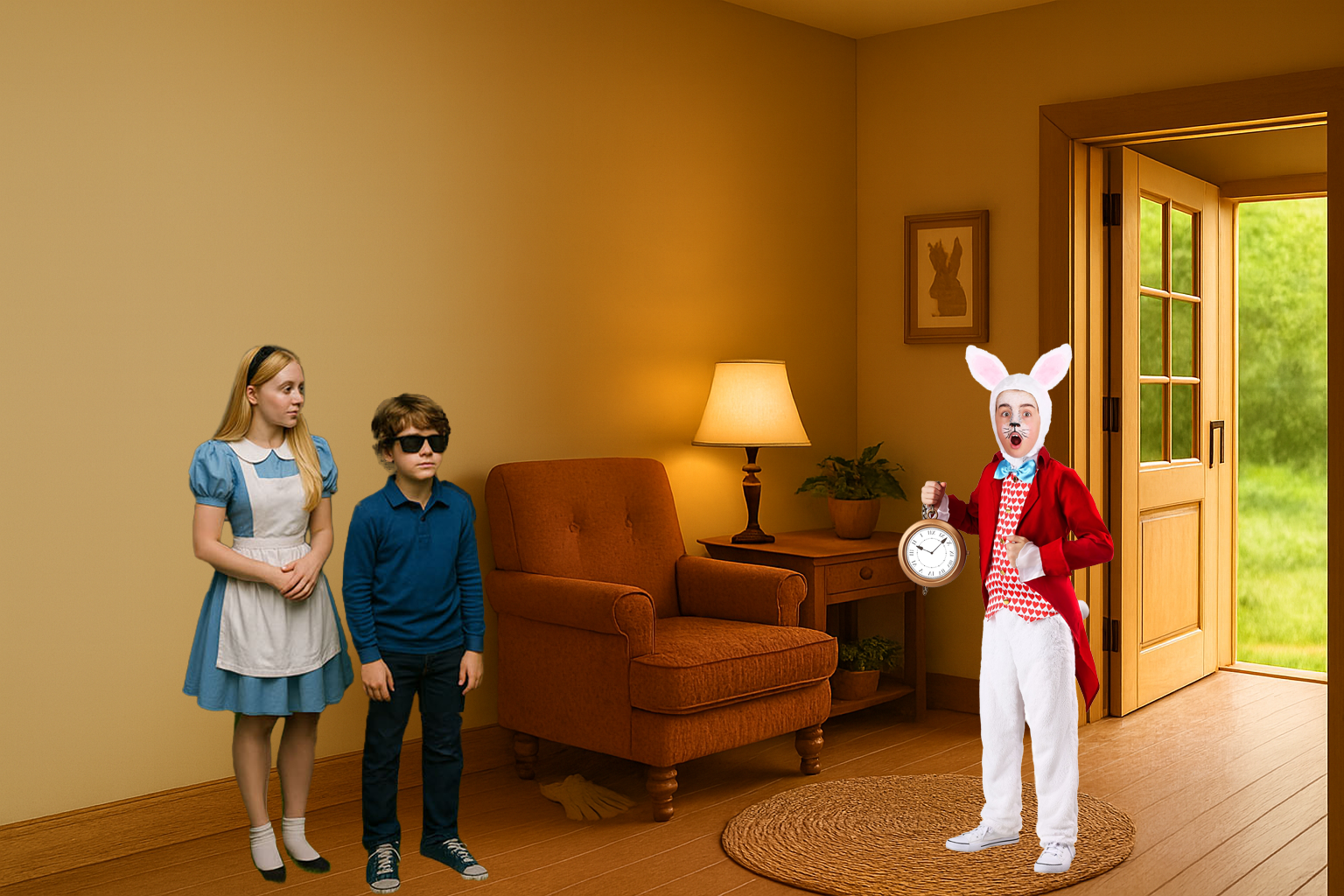
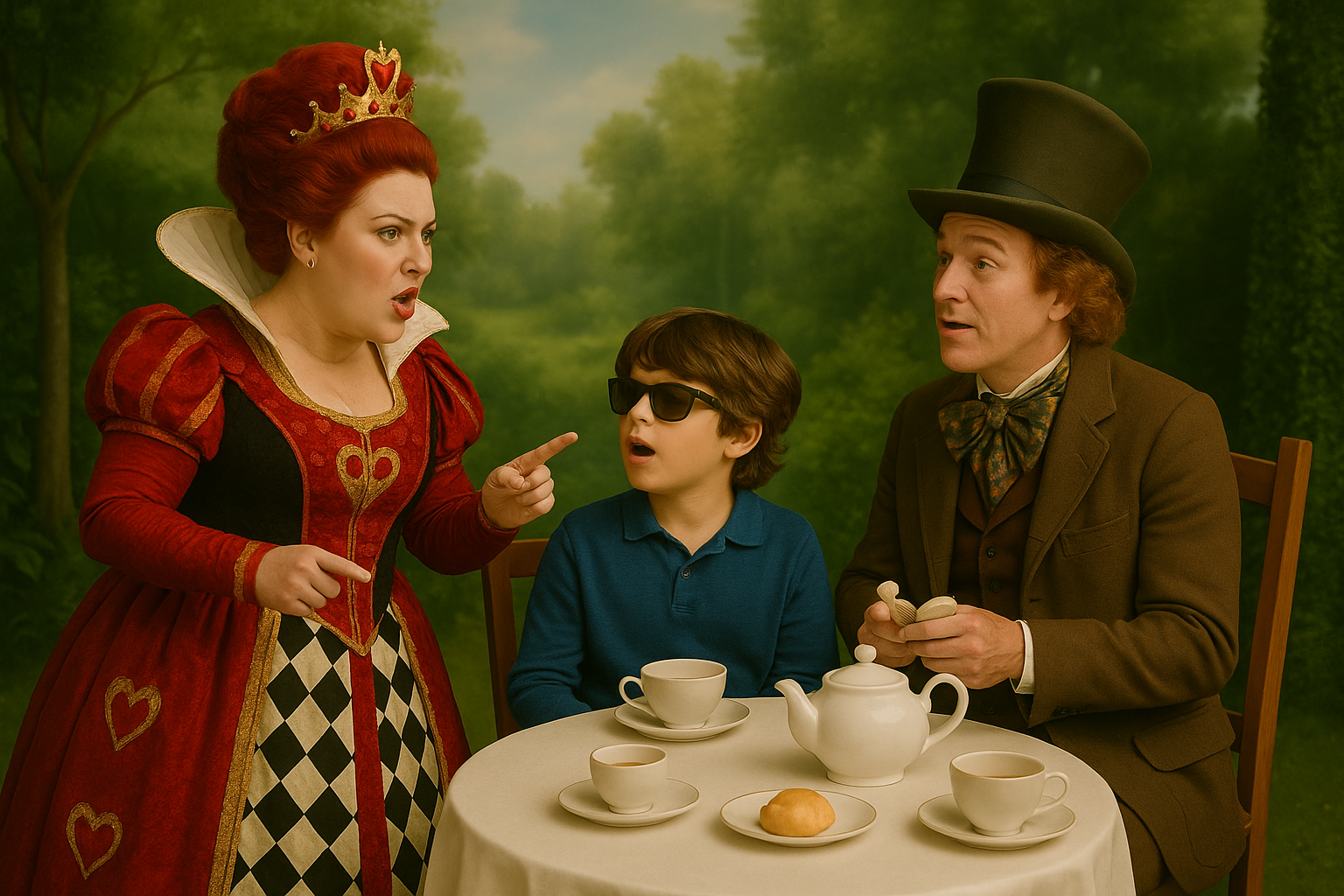
Immersive Storytelling: A walk-through, escape-room experience with live actors made children part of the story.
Multisensory Interaction: Touch, sound, scent, taste, and movement replaced visual storytelling and supported exploration.
Guided Navigation: Tactile pathways and directional audio helped children move through Wonderland confidently.
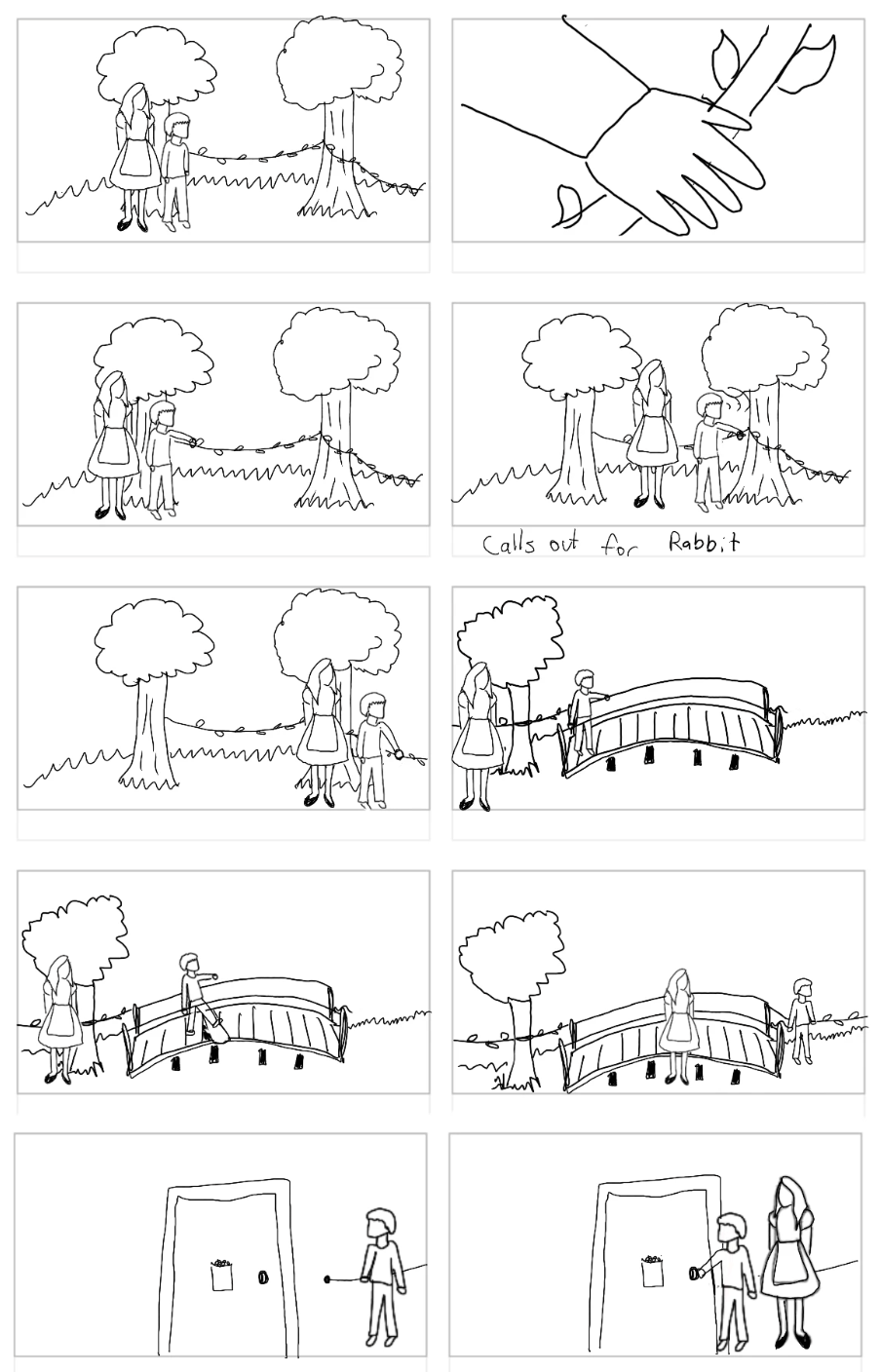
storyboard
wireframe
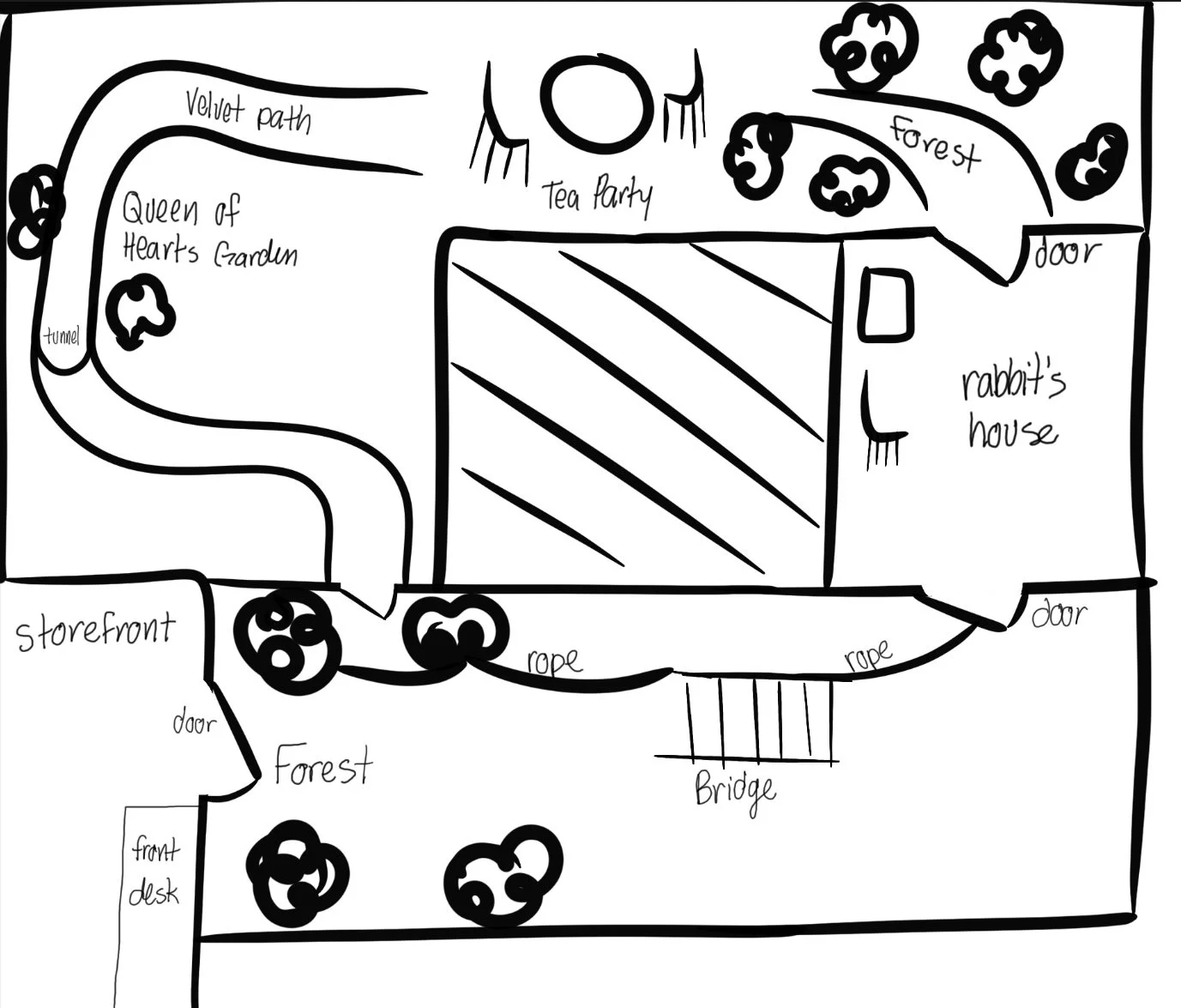
Interaction Flow
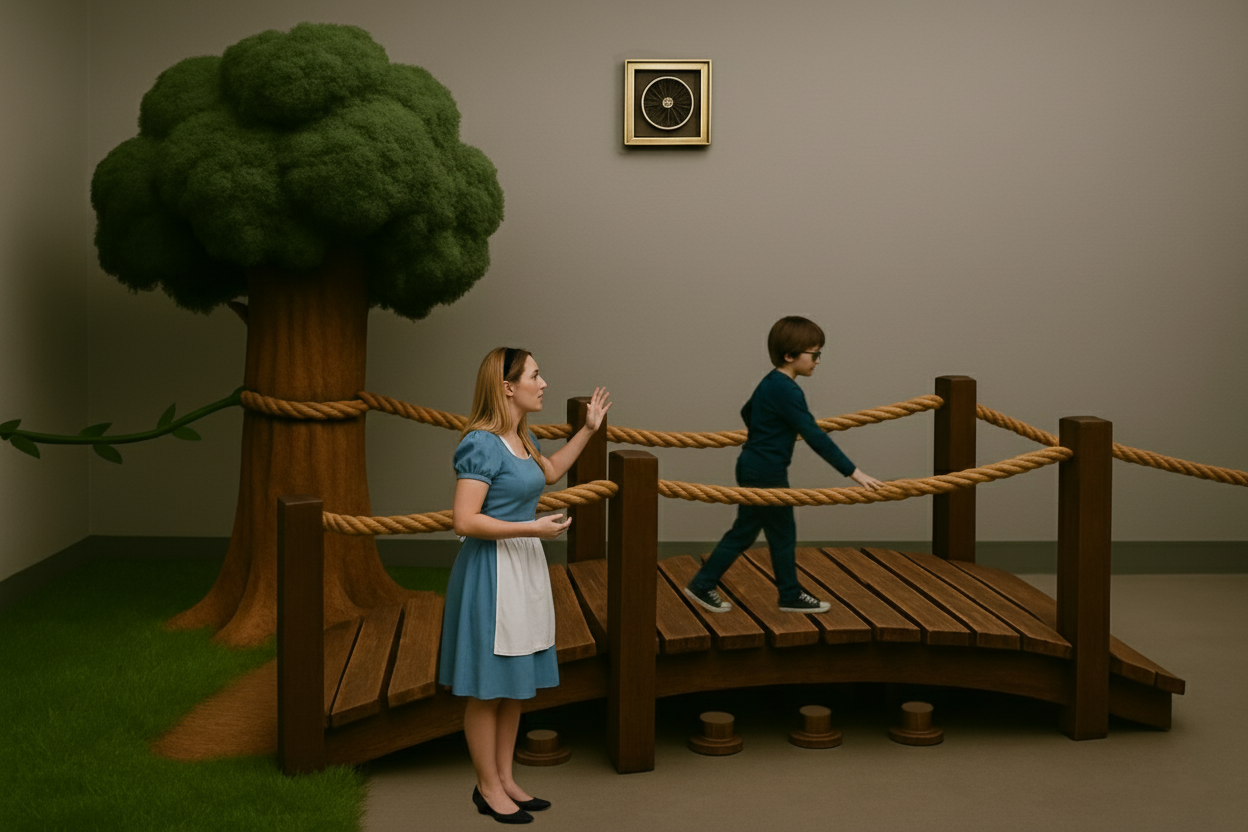
Basic physical mockup
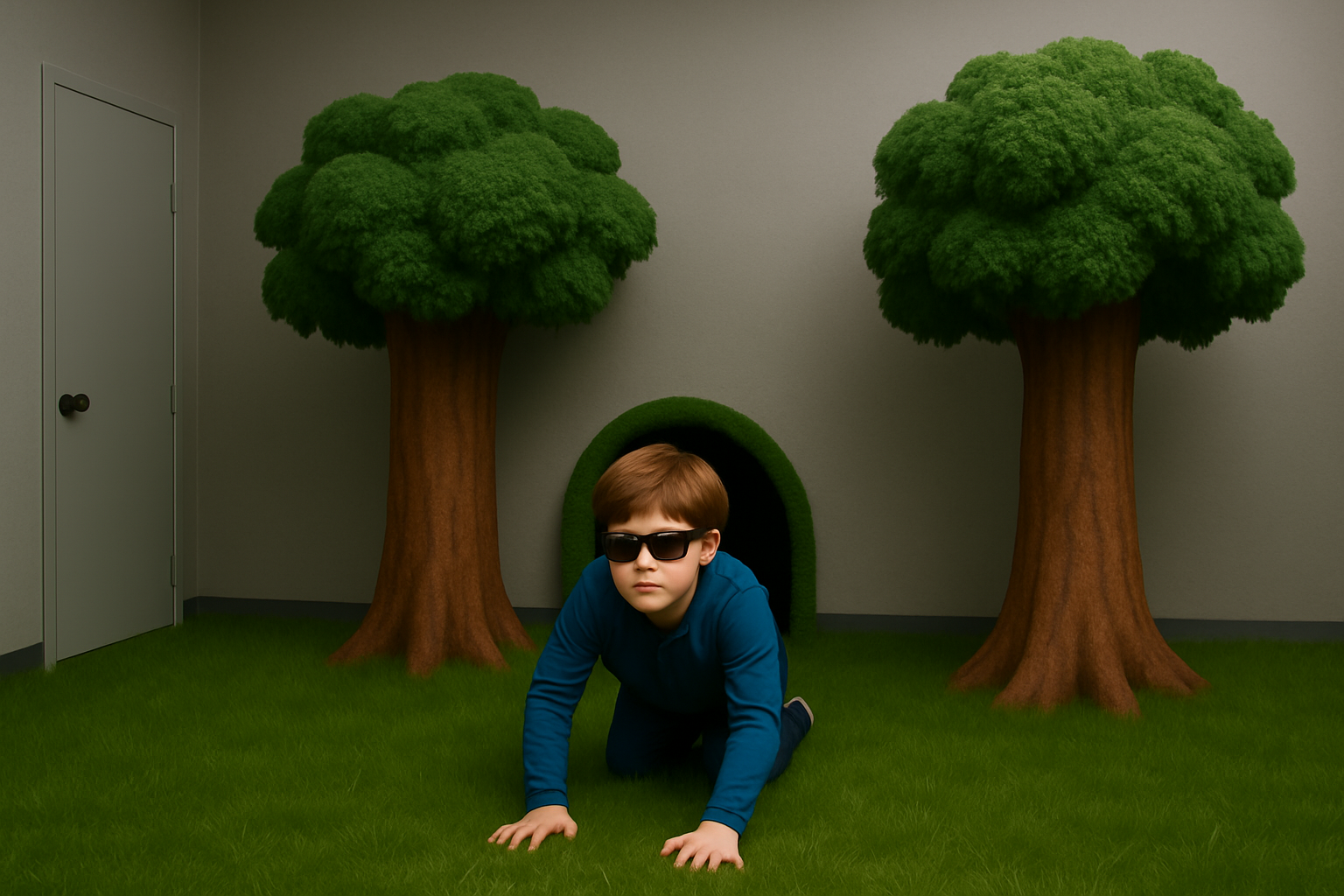
1
2
Early obstacle-course concept using doors and sensory challenges.
Long or static audio descriptions can lose children’s attention. Tactile elements like textures, objects, temperature changes, and movement make storytelling more engaging and easier to understand.
Active participation creates immersion
Blind children benefit from being part of the story rather than simply listening to it. Live actors, physical challenges, tactile pathways, and sensory clues allow children to interact with characters and experience the narrative as it unfolds.
Who we designed for
Maya, Age 7 - Blind
Background:
Blind since birth and attends a mainstream elementary school. She practices orientation and mobility skills and loves immersive stories, tactile play, and music.
Goals:
Explore spaces confidently, participate equally with other children, and experience exciting story-based adventures.
Frustrations:
Games often rely on visuals or adult assistance. She dislikes when accessible experiences are oversimplified and become less exciting or age-appropriate.
3
Accessibility must shape the experience
Materials need to be safe, durable, and highly tactile, while storytelling should avoid assuming visual knowledge. Traditional “picture book moments” can instead become experiences children can touch, hear, smell, move through, and manipulate.
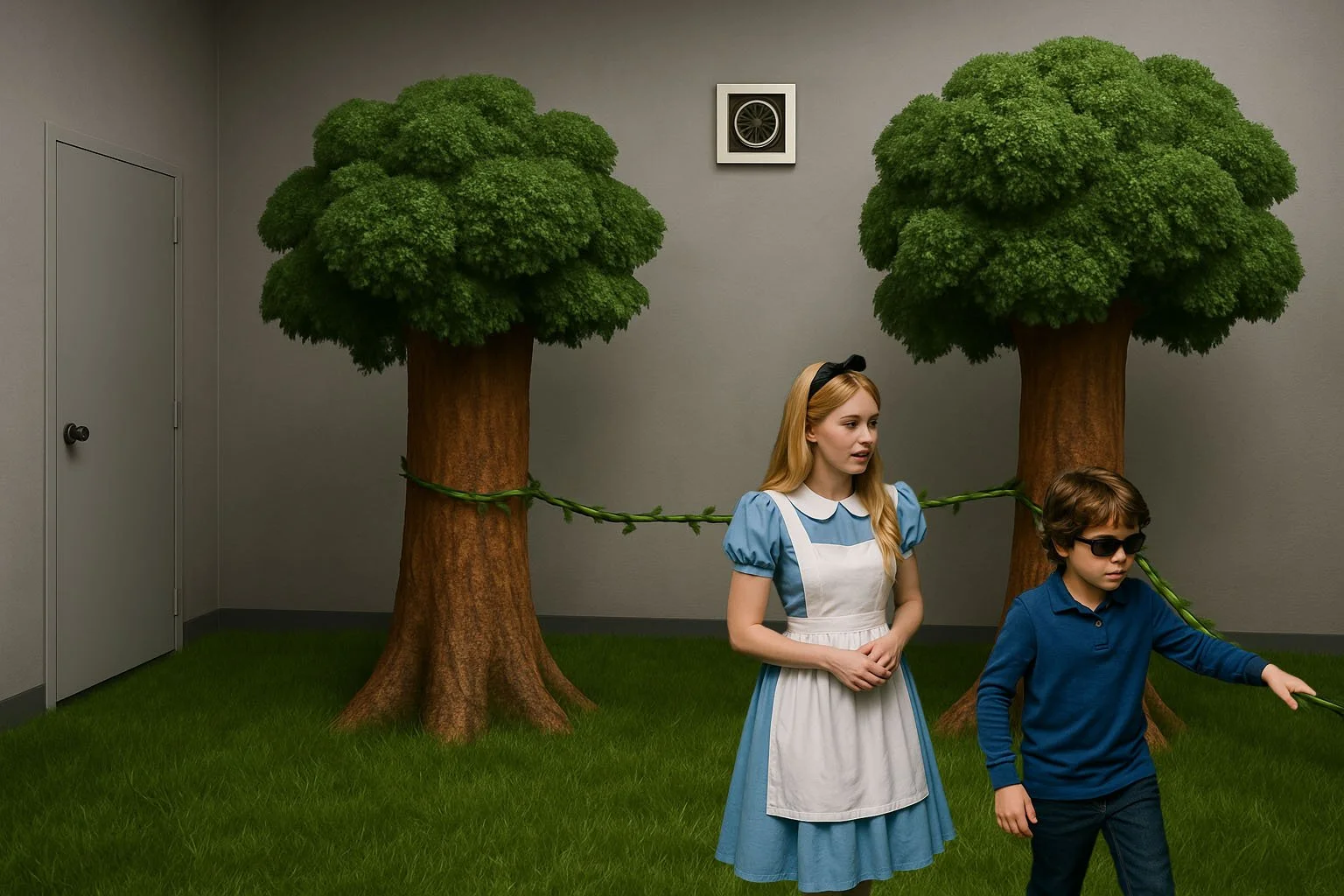
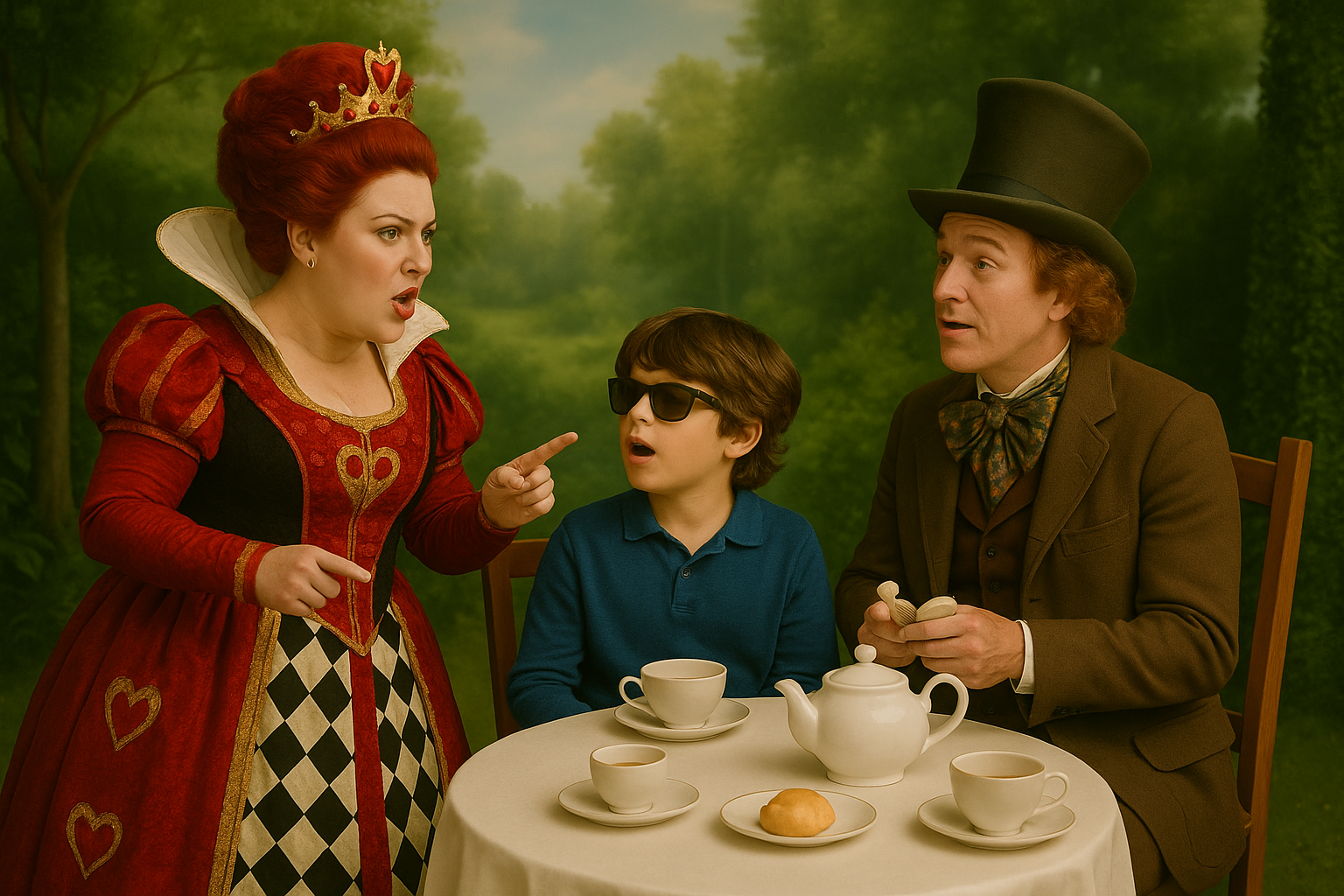
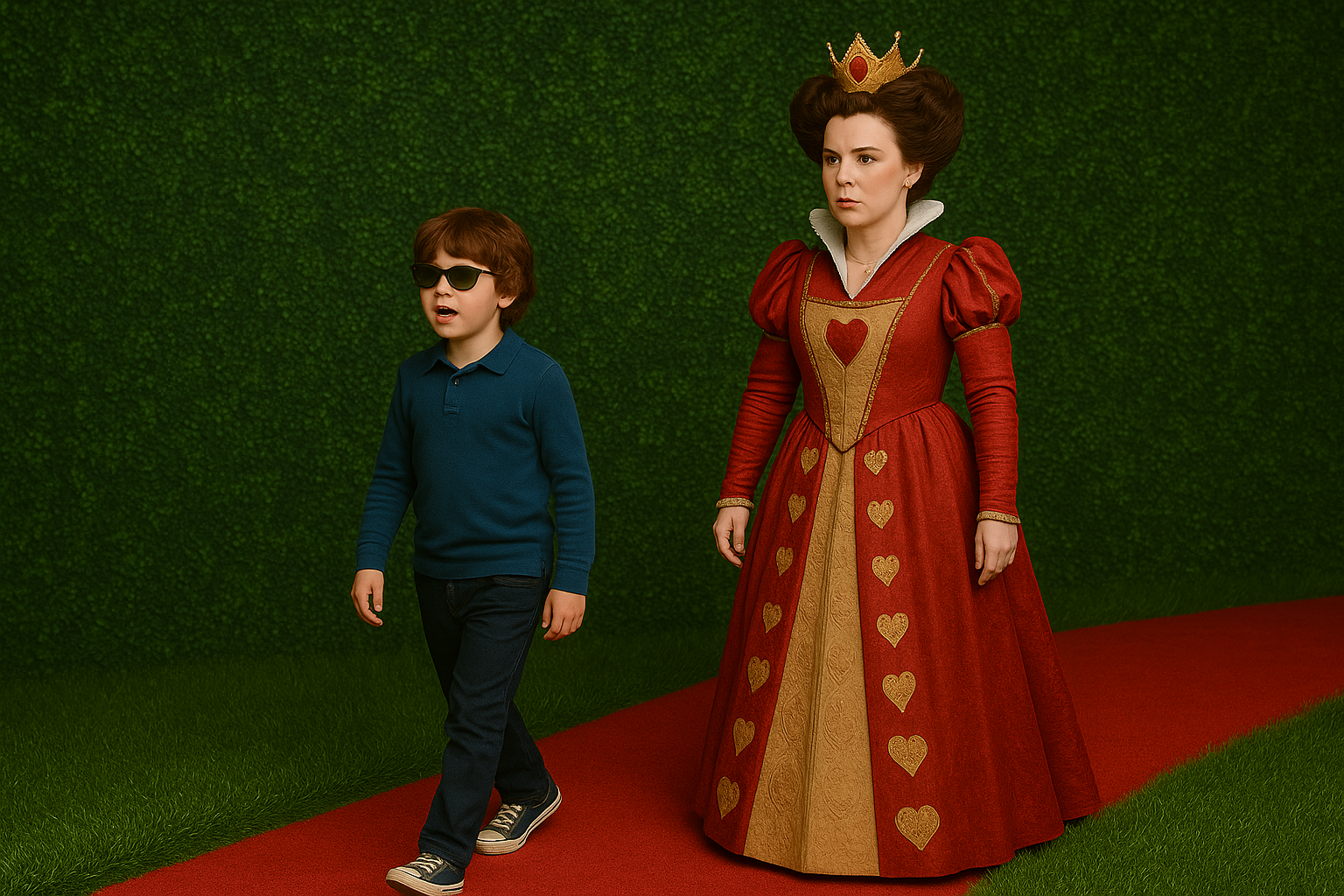
We designed for blind and low-vision children ages 5–9 who need more than visual storytelling. Sensing Wonderland uses touch, directional audio, movement, scent, tactile clues, and live actors to create an Alice in Wonderland adventure where children can actively explore, solve challenges, and participate equally.
4
5
Jordan, Age 9 - Low Vision
Background:
Has low vision and can perceive light and shapes but not fine details. He uses large-print and audio materials and enjoys hands-on puzzles, tactile challenges, and competitive games.
Goals:
Experience exciting, fast-paced challenges, solve puzzles independently, and feel a sense of accomplishment.
Frustrations:
Visual clues can cause him to fall behind other players, making games feel unfair rather than challenging.